Top 5 Benefits of Restoring Historic Buildings

Updated: Jul 18
Restoring historic buildings is more than just a trend; it is a commitment to preserving our cultural heritage. As cities evolve and modernize, these structures tell the stories of our past, connecting generations through architecture and design. In this blog post, we will explore the top five benefits of restoring historic buildings, highlighting their significance in our communities and the positive impact they have on our lives.
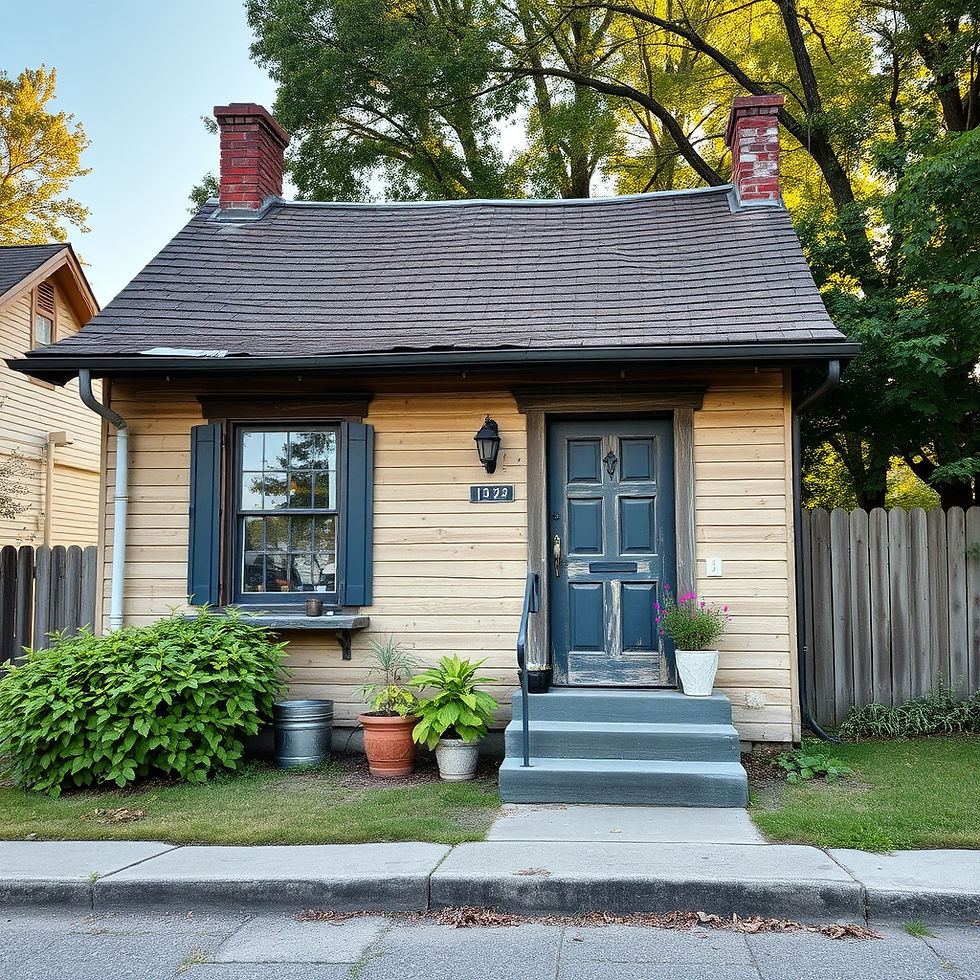
Preserving Cultural Heritage
One of the most significant benefits of restoring historic buildings is the preservation of cultural heritage. These structures often embody the unique history and identity of a community. By restoring them, we ensure that future generations can appreciate and learn from their past.
Historical Significance
Historic buildings often serve as landmarks that represent important events, movements, or figures in history. For example, the restoration of the Liberty Bell Center in Philadelphia not only preserves the iconic bell but also educates visitors about its role in American independence. By maintaining these structures, we keep history alive and relevant.
Community Identity
Restoring historic buildings helps maintain a community's identity. These structures often reflect the architectural styles and cultural influences of their time. For instance, the preservation of Victorian homes in San Francisco contributes to the city's unique character, attracting tourists and residents alike. When communities invest in their historic buildings, they reinforce a sense of belonging and pride among residents.
Economic Benefits
Restoring historic buildings can have a significant positive impact on local economies. Contrary to the belief that new construction is always more beneficial, restoring existing structures can be more cost-effective and sustainable.
Job Creation
Restoration projects often require skilled labor, which creates jobs in the community. From architects and contractors to artisans and craftsmen, a variety of professionals are involved in the restoration process. This not only boosts the local economy but also helps preserve traditional skills that may otherwise be lost.
Increased Property Values
Restoring historic buildings can lead to increased property values in the surrounding area. When a historic structure is revitalized, it often enhances the overall aesthetic of the neighborhood, making it more attractive to potential buyers. For example, the restoration of the historic district in Savannah, Georgia, has led to a surge in property values, benefiting both homeowners and local businesses.
Environmental Sustainability
Restoring historic buildings is an environmentally sustainable practice. Rather than demolishing old structures and contributing to landfill waste, restoration allows us to reuse and repurpose existing materials.
Reducing Waste
Demolition generates a significant amount of waste, contributing to environmental degradation. By restoring historic buildings, we minimize waste and reduce the demand for new materials. For instance, the renovation of the historic Cotton Mill in Massachusetts involved reusing original bricks and timber, significantly lowering the environmental impact of the project.
Energy Efficiency
Many historic buildings can be retrofitted with modern energy-efficient systems while maintaining their original charm. For example, the restoration of the historic Old Post Office in Chicago included the installation of energy-efficient windows and HVAC systems, reducing energy consumption while preserving the building's historical integrity. This approach not only benefits the environment but also lowers utility costs for occupants.
Community Revitalization
Restoring historic buildings can play a crucial role in revitalizing communities. These projects often serve as catalysts for further development and investment in the area.
Attracting Tourism
Historic buildings can become major tourist attractions, drawing visitors from near and far. The restoration of the historic Alamo in San Antonio, Texas, has made it a focal point for tourism, generating revenue for local businesses and creating jobs in the hospitality sector. By investing in these structures, communities can boost their economies and promote cultural tourism.
Fostering Local Businesses
Restoration projects often lead to the establishment of new businesses in the area. When historic buildings are revitalized, they can house restaurants, shops, and galleries that contribute to the local economy. For example, the restoration of the historic downtown area in Asheville, North Carolina, has led to a thriving arts and culture scene, attracting both residents and tourists.
Educational Opportunities
Restoring historic buildings provides valuable educational opportunities for communities. These structures can serve as living museums, offering insights into architectural styles, construction techniques, and historical events.
Hands-On Learning
Restoration projects often involve community engagement, allowing residents to participate in the process. Workshops and volunteer opportunities can teach valuable skills, such as carpentry, masonry, and preservation techniques. For instance, the restoration of the historic Fort Point in San Francisco included community workshops that educated participants about historic preservation methods.
Inspiring Future Generations
Historic buildings can inspire future generations to appreciate their heritage and engage with their community. Schools and organizations can use these structures as educational resources, teaching students about history, architecture, and sustainability. By fostering a sense of pride in their community's history, we encourage young people to become stewards of their cultural heritage.
Conclusion
Restoring historic buildings offers numerous benefits that extend beyond mere aesthetics. From preserving cultural heritage and boosting local economies to promoting environmental sustainability and providing educational opportunities, these projects play a vital role in our communities. As we move forward, it is essential to recognize the value of our historic structures and invest in their restoration for the benefit of future generations. By doing so, we not only honor our past but also create a brighter, more sustainable future.
Consider supporting local restoration efforts or advocating for the preservation of historic buildings in your community. Together, we can ensure that our rich history remains a vibrant part of our lives.
Comments